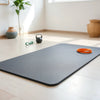
Durable Fitness Mats for Home Workouts That Last
, by Amita Choudhary, 13 min reading time
, by Amita Choudhary, 13 min reading time
Updated on: 2026-09-04
Durable fitness mats for home can turn any corner of your house into a comfortable, stable workout space. The right mat helps reduce slipping, cushions your joints, and makes floor exercises feel safer. When your mat is built for regular use, you spend less time adjusting and more time training. In this guide, you’ll learn what to look for, how to set up your routine, and what buyers say after upgrading to a tougher mat.
Table of Contents
Home training is convenient, but your body still needs support and safety. When you move from stretching to lunges to core work, the floor becomes part of the workout. That’s why durable fitness mats for home are more than “nice to have.” A strong, grippy mat helps you stay stable, reduces pressure on your knees and hips, and keeps your movements smooth.
If you’ve ever finished a session with sore knees, a numb back, or constant worries about slipping, you already understand the problem. Many people start working out at home to save time and avoid the gym rush, then struggle because the setup isn’t right. A durable mat solves the foundation issue. It gives you a reliable surface for yoga flows, strength circuits, and mobility routines.
Durability also changes your experience over time. Instead of replacing a worn mat after a few weeks, you can commit to a routine. You’ll spend less time searching for a better option and more time showing up for your goals.
Not all workout mats handle everyday use the same way. If you want a mat that stays comfortable and looks better for longer, focus on these features.
A durable mat should provide traction for both wet and dry conditions. Look for a textured top surface that helps reduce sliding during planks, mountain climbers, and standing transitions. Better grip also boosts confidence, especially if you train without gloves or extra footwear.
Choose a mat thickness that matches your workout style. Thicker mats can feel more protective for knees and hips, while slightly firmer options can help you maintain better body alignment during strength work. The goal is comfortable support without wobbling.
Durable fitness mats for home should resist tearing, flattening, and permanent curling. A stable mat makes workouts smoother because it lies flat and stays in place when you stretch and rotate.
Home workouts can get sweaty. A mat that wipes down quickly and dries fast helps you keep your training area fresh. Simple cleaning also encourages consistent use, since you won’t dread maintenance after each session.
You might train in the living room, bedroom, or balcony depending on your day. A mat that’s easy to roll and carry helps you stay consistent. Durability matters here too, since frequent moving can wear down weaker materials.

Textured grip patterns, joint cushioning layers, and stable mat edges
I started doing home workouts during busy weeks when I couldn’t make it to the gym. At first, I used whatever was available—folded blankets and a spare rug. It felt workable, until the routine changed. Once I added core exercises and low lunges, the surface shifted. My focus moved away from my breathing and form. I kept adjusting my hands and knees.
What surprised me wasn’t only the comfort difference. It was the mental shift. With a mat that stayed put and provided reliable traction, my sessions felt smoother. I could transition from stretching to strength moves without constantly checking whether I was slipping. After that, “home workouts” felt like a real training space, not just a temporary workaround.
Durable fitness mats for home shine in everyday scenarios. Here are some common use cases where quality makes a noticeable difference.
Balance and controlled movement require grip and stable support. A durable mat helps you hold positions with confidence, especially during longer sessions. It also supports smoother transitions when you move between poses.
Think planks, push-up variations, and dead bugs. Your hands and feet need traction, and your body needs cushioning where you contact the floor. A mat that stays firm helps you maintain form, so your workout targets the muscles you intend.
Even short bursts can stress a mat. Durable materials help reduce early wear from repeated movement. A stable, grippy surface also helps you land safely during fast transitions.
Many people use home mats for recovery days. The key is consistent support under joints. When the mat stays flat and doesn’t curl, you can focus on gentle range of motion and alignment.
Home training often blends with daily life. A durable mat can double as a safer surface for play and family stretching. This is especially helpful in apartments or homes where you want a single “training zone.”

Workout zones shown by icons for yoga, strength, and play
Durability improves when you treat your mat well. Use these simple habits to keep it performing.
If you want a consistently smooth surface, these steps are the difference between “it still works” and “it feels great every time.”
When buyers upgrade to a more durable mat, they usually notice a few specific benefits right away. While experiences vary, common feedback focuses on comfort, stability, and convenience.
If you’re currently using a thin mat or one that loses traction, upgrading can feel like a simple change with a big impact. Your workouts start to feel more intentional and less reactive.
A mat that’s too small limits your range of motion. A mat that’s too large can be hard to store. Here’s a practical way to pick the right size based on your home.
Stand on the spot where you plan to train. Move your arms overhead and step side to side. Choose a mat length that leaves some space at the ends, so you’re not constantly adjusting your position.
For core and plank work, you need room for your hands and knees. A wider mat can help with balance exercises and side-to-side transitions.
If you store your mat often, a size that’s easy to roll and move will help you stay consistent. Durability should pair with convenience so your mat becomes part of your routine.
To create a complete home setup, you may also want to improve the surrounding comfort. For example, good lighting and a clean, clutter-free workout area can make sessions more enjoyable. If you’re also upgrading your home essentials, browse related home gear here: home essentials.
Durable fitness mats for home are the foundation of a better workout experience. They help you feel stable, supported, and confident—so you can focus on form instead of adjusting your setup. With the right grip, cushioning, and material strength, your mat can support yoga days, strength circuits, and recovery routines without feeling flimsy or worn out.
Before you buy, decide what matters most for your training style: traction for balance, cushioning for comfort, and shape stability for reliable performance. Then choose a size that fits your space and storage habits. When your mat matches your routine, consistency becomes easier—and results come from showing up.
Ready to upgrade your home training surface? Select a durable mat that fits your workouts and your space, and turn your floor into a training zone you’ll want to use every day. If you’d like to explore other practical home upgrades alongside fitness gear, you can also check active-friendly essentials.
Thickness depends on your workout style and comfort needs. If you do a lot of floor-based strength or kneeling moves, you’ll likely prefer more cushioning. If you prioritize stability for planks and push-up variations, a firmer feel can help maintain alignment. The best choice balances comfort with a surface that stays stable during movement.
A durable mat should provide consistent traction. Look for a textured top designed for grip and for materials known to hold up under frequent use. Regular cleaning also helps maintain performance, since sweat and oils can reduce surface friction over time.
Use gentle wiping after each session and allow the mat to dry fully before storing. Avoid harsh abrasives and soaking. A simple routine—wipe, air-dry, then roll carefully—helps preserve both the feel and durability of the surface.
Yes, many home users choose one versatile mat for mixed routines. Focus on grip, cushioning that feels comfortable for joints, and stability so it doesn’t curl or shift during fast transitions. When the mat performs well across styles, consistency improves and you’re less likely to switch setups mid-routine.
Disclaimer: This article is for general informational purposes only and does not provide medical advice. Always consult a qualified professional for guidance tailored to your health needs. Product performance can vary based on usage, cleaning habits, and home conditions.


At Ysvara Lifestyle, we help people make smarter shopping choices by curating the best, most reliable products from trusted brands across electronics, home appliances, fashion, and everyday essentials. We spend hours comparing real-world performance, customer feedback, and value-for-money so you don’t have to. Every recommendation is based on usefulness, durability, and honest insights — not just hype. Our mission is simple: to make online shopping effortless, transparent, and truly helpful. Explore better choices, discover hidden deals, and buy with confidence. ✨


