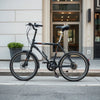
26-Inch Wheel Folding Bike Buyers Guide for Smooth Rides
, by Amita Choudhary, 13 min reading time
, by Amita Choudhary, 13 min reading time
Updated on: 2026-09-04
This guide helps you choose the right 26-inch wheel folding bike for commuting, errands, and weekend rides.
You will learn what to look for in folding performance, comfort, and everyday usability—before you buy.
We also share real-world style use cases, plus practical setup tips that make the bike easier to ride.
By the end, you will have a clear checklist and a confident next step to find a folding bike that fits your lifestyle.
If you want a bike that feels stable on the road but still folds down for real-life storage, a 26-inch wheel folding bike is a smart sweet spot. Bigger wheels roll more smoothly over uneven paths than many small-wheel folding models. At the same time, a folding frame keeps your setup practical at home, in a car, or at work.
When a folding bike matches your routine, it stops being “extra gear” and becomes transportation. That is the real win: less time planning, more time moving. A well-built folding bike also helps you stay consistent because it is easier to bring along than a bulky full-size option.
If you are shopping with a “buy once, ride often” mindset, start by checking the details that affect your experience: folding hinges, frame stiffness, tire condition, braking feel, and whether the bike is easy to lift. These are the factors that turn a good product into a daily habit.
Wheel size affects how a bike feels in motion. On a 26-inch wheel folding bike, the larger diameter can support smoother cruising and steadier tracking. In plain terms, the bike often feels less “twitchy” and more comfortable at everyday speeds.
For commuting and errands, you also want predictable ride quality. Larger wheels can help you glide over small cracks, pavement texture, and light gravel near pathways. That means fewer slow-downs and less fatigue from constant micro-corrections.

Symbolic wheels rolling smoothly over varied surfaces
A folding bike should be quick to use. If it feels complicated, you will avoid it. Use this simple process to set up your 26-inch wheel folding bike confidently and reduce the “first ride friction.”
Unfold and lock the frame fully. Make sure the main hinge areas are seated and stable before you move.
Check handlebar alignment. Straight handlebars improve control and make braking smoother.
Inspect the seat height. A correct height helps your legs pedal efficiently and reduces strain.
Confirm tire pressure. Proper pressure supports rolling comfort and helps avoid frequent slips or wobble.
Test the brakes at low speed. Do a short safety check near your home so you know how the bike responds.
Practice folding once at home. Do it when you are relaxed, not when you are rushing out the door.
Secure the bike before transport. Use a strap or appropriate storage method so it does not shift.
Once your routine becomes automatic, the bike starts earning its place. You stop thinking about “setup,” and you focus on your ride.
If you want a simple buying decision, prioritize ease of folding and consistent braking feel over flashy features. Those practical qualities are what you will notice every single day.
Comfort is not luck. On a folding bike, small adjustments can make the difference between a ride you look forward to and one you dread. The goal is simple: align your posture so your back stays relaxed and your pedaling feels natural.
For commuting, a slightly upright posture can reduce strain during stop-and-go traffic. For longer casual rides, stable handlebars and smooth rolling tires help you keep momentum without constant gripping.
Also, remember that folding bikes can feel different from traditional bicycles because of their hinge design and compact frame geometry. Give yourself a few rides to learn the feel. You will likely notice that control improves as you get used to the bike’s balance.

Simple adjustment icons for seat, hands, and brakes
The real power of a folding bike is not just the ride. It is what happens after the ride. When storage is easy, you ride more. With a 26-inch wheel folding bike, you can fit cycling into places where full-size bikes usually do not work.
These habits keep your bike convenient, which is exactly what you want. Convenience is what turns occasional rides into regular movement.
The first time I tried a folding bike, I expected it to feel “temporary.” You know the feeling: like you are borrowing something that will be annoying after a few uses. But after the first week, the story changed.
I started using it for simple routines—morning errands and quick routes after work. The big surprise was how quickly the folding routine became second nature. Once I practiced folding at home, it took only a moment to switch from riding mode to storage mode. That small friction reduction mattered more than I thought.
What also impressed me was the ride stability. With a 26-inch wheel setup, the bike felt more settled when I hit minor road imperfections. I did not feel like I was constantly adjusting. Instead, I could focus on the route and keep moving.
By the time my week got busier, I realized I had chosen something that fit my life instead of demanding a different lifestyle. That is why folding bikes work when you pick the right wheel size and prioritize comfort and usability.
A 26-inch wheel folding bike is a strong option if you want the convenience of folding without sacrificing the everyday feel of a smoother, more stable ride. When you focus on the key buying factors—folding ease, comfort fit, braking feel, and everyday storage—you reduce buyer stress and increase the chances that you will actually ride it.
If you are building a complete “at-home and on-the-go” setup, you may also like exploring other home upgrade ideas from electronics or lifestyle categories on our site. Staying organized at home often makes it easier to keep commuting tools ready, including your folding bike.
Ready to ride more often? Choose a folding bike that matches your storage needs and comfort preferences, then commit to a simple practice routine. When your bike is easy to use, your routes get shorter, your days get lighter, and your momentum grows.
Yes. Many commuters like the larger wheel feel because it can offer steadier rolling over everyday road textures. A folding frame also makes it easier to bring the bike into buildings or store it near your workspace, which supports consistency.
Start with seat height range and handlebar reach. Adjust the seat so you can pedal without overextending your legs. Then check your posture: you should be able to ride with a relaxed back and comfortable hand position. If the fit feels off, small adjustments can often fix it.
Do a simple pre-ride check: confirm the frame is fully unfolded and locked, verify handlebar alignment, inspect tire pressure, and test the brakes at low speed. After that, practice folding once at home so you can repeat it confidently when you need to store or transport the bike.
A basic maintenance routine helps keep performance consistent. Check tire pressure regularly, clean and inspect moving parts, and review brake feel if you ride frequently. If you notice unusual sounds or reduced braking response, address it sooner rather than later.
Disclaimer: This article is for general informational purposes only. Bike specifications and performance vary by model and rider conditions. Always follow the manufacturer’s instructions for setup, safety checks, and maintenance.


At Ysvara Lifestyle, we help people make smarter shopping choices by curating the best, most reliable products from trusted brands across electronics, home appliances, fashion, and everyday essentials. We spend hours comparing real-world performance, customer feedback, and value-for-money so you don’t have to. Every recommendation is based on usefulness, durability, and honest insights — not just hype. Our mission is simple: to make online shopping effortless, transparent, and truly helpful. Explore better choices, discover hidden deals, and buy with confidence. ✨


