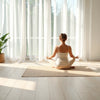
Yoga Mats for Tranquility: Choose Calm in Every Session
, by Amita Choudhary, 13 min reading time
, by Amita Choudhary, 13 min reading time
Updated on: 2026-08-30
Finding a calm mindset starts with what you do before the first pose. A supportive surface helps you feel stable, comfortable, and focused. Yoga mats for tranquility are designed to reduce distractions from slipping, hard pressure, and uneven flooring. When you practice with confidence, your breathing can slow down and your routine becomes easier to stick with. The right mat also supports consistency across home, studio, or travel.
Table of Contents
When people struggle to stay present during yoga, the cause is often small. It might be slipping during balance poses. It might be uncomfortable pressure during longer holds. It might be the feeling that the mat moves, creases, or does not grip. Yoga mats for tranquility aim to remove those friction points so you can focus on breath, form, and inner calm.
Pros are clear, but it helps to know the trade-offs.
The best mat is the one that matches how you practice. If you want yoga to feel relaxing instead of distracting, choose based on the moments you struggle with most.
If you practice restorative flows, gentle stretching, or longer holds, medium to higher cushioning often improves comfort. If you do more balance-focused sequences, you may prefer a firmer feel that keeps your footing stable.
Look for a top layer designed to resist slipping. Grip is crucial during downward-facing dog, plank, and transitions. If you sweat easily, a mat with strong traction helps you move with confidence.
Some mats slide on smooth tiles or polished wood. A well-anchored base helps keep the mat in place so you do not keep repositioning.
If you practice at multiple locations, you want something that rolls neatly and stores without taking over your space. Easy handling supports consistency, and consistency is where tranquility grows.
You do not need complicated routines. You do need a mat that responds well to gentle cleaning and dries thoroughly. A clean surface also supports better traction.

Calm setup visual: stable mat, steady breath, soft light
You do not need a perfect space to create tranquility. You need a dependable setup. Follow this simple guide each time, and you will train your body to relax faster.
Choose a small area with enough room for your mat and safe movement around it. Clear away items that pull attention. This helps your mind settle before you start.
Lay your mat flat and fully unroll it. If your flooring is smooth, place the mat so its base sits evenly. A stable base reduces micro-adjustments and helps you stay present.
Before your first pose, place your hands and feet in the starting stance and gently shift your weight. If you feel any unnecessary sliding, adjust the mat position or wipe the surface with a light cleaning method recommended for your material.
Begin with slow transitions. Move into a comfortable seated posture or a gentle forward reach. Use the mat as your anchor, then focus on longer exhales. The more your body trusts the surface, the easier it is to soften.
Even with the right mat, support matters. Place a folded towel under wrists or a cushion under knees for comfort. Alignment should feel safe and supported, not forced.
End with a calming pose and a few deep breaths. Tranquility is not only in the poses; it is in the after. When your mat is comfortable and stays in place, resting feels safer and more natural.
Yoga mats for tranquility work across different routines and life stages. Here are practical scenarios where the right mat makes a noticeable difference.
If you practice on tile, laminate, or concrete, comfort can be a deal-breaker. A supportive mat creates a softer landing so your body can stay relaxed during kneeling and seated poses.
When you have limited time, you need a setup that lets you start fast. A mat you trust reduces the mental “warm-up” required to feel stable. You get into your flow sooner and stay there longer.
Beginners often worry about balance and slipping. A reliable grip and cushioning help you focus on learning form instead of managing discomfort. That is where the calm begins.
If you like practicing at a class studio and then continuing at home, a similar feel helps your body adapt. Consistency supports muscle memory and makes your routine feel familiar.
For people who attend classes or practice in different rooms, portability and easy handling matter. When your mat is easy to roll out and ready to use, you are more likely to keep the habit.

Home corner ritual: mat rolled out, calm lighting, breathing cues
A mat that stays clean usually performs better. It supports grip and comfort, which means fewer distractions during practice.
Use a gentle wipe after practice. This removes sweat, dust, and residue that can reduce traction. Avoid soaking the entire mat unless the product guidance supports it.
Let your mat dry in a well-ventilated area. When fully dry, it helps you regain the feel you want at the start of your next session.
Direct sunlight and high heat can affect material feel. Store your mat in a cool, dry place.
Every so often, do a deeper clean to remove buildup. Follow care instructions for your specific mat surface so you do not damage the finish.
Small maintenance habits protect your investment and help your practice stay smooth.
Customer perspective: “I used to lose my footing in transitions. With a mat that grips well, my focus is on my breath, not on repositioning. It feels like the practice slows down naturally.”
Another review: “My knees used to feel sore by the end of a session. The cushioning helped me stay comfortable for longer, so I finished the routine instead of cutting it short.”
Ready to make your practice feel more calming and consistent? Start with a mat that supports stability, comfort, and confidence.
Create a calmer practice corner with gentle lighting. A softer environment can help you ease into your routine, especially during evening sessions.
Pair your setup with cleaner air at home too. If dust and allergens bother you, consider an air solution that supports breathing comfort during slow, mindful practice.
Dyson Air Purifier Big+Quiet |Covers 1100 Sq. Ft| Advanced HEPA H13 filtration|Removes 99.95% of allergens & pollutants as small as PM 0.1| LCD Screen |Smart Control| 2 Year Warranty
Shop Dyson Air Purifier Big+Quiet
Tranquility in yoga is built from small, dependable choices. When your mat provides steady grip, comfortable cushioning, and a surface that stays in place, your body can stop bracing and your mind can soften. Yoga mats for tranquility help you reduce distractions so you can stay with your breath longer, practice more often, and feel better after the session.
If you want a calmer routine today, start with a mat that matches your practice style. Think about thickness, traction, and how you will care for it. Then set up a simple practice zone, test your traction in the first minute, and end with a longer stillness.
Call to action: Choose your next mat for a more grounded, soothing practice. Add it to your routine and feel the difference in comfort, confidence, and consistency.
A tranquil mat usually provides stable grip, supportive cushioning, and a surface that stays where you place it. Those features reduce slips and discomfort, so you can focus on breathing and alignment instead of adjusting your position.
It depends on what bothers you most. If knees, wrists, or hips feel tender, medium to higher cushioning can help you stay comfortable for longer holds. If balance work feels unstable, a slightly firmer mat can improve steadiness.
Wipe your mat after each session to remove sweat and residue. For deeper cleaning, follow the mat’s care guidance and do it when you notice buildup or reduced traction.
Yes. Beginners often quit because poses feel too challenging or uncomfortable. When a mat supports comfort and grip, you can practice longer with less frustration, which makes consistency easier to maintain.
Disclaimer: This article is for general informational purposes only and does not replace professional medical or fitness advice. Always listen to your body and consult a qualified professional if you have any concerns about safety or suitability for your needs.


At Ysvara Lifestyle, we help people make smarter shopping choices by curating the best, most reliable products from trusted brands across electronics, home appliances, fashion, and everyday essentials. We spend hours comparing real-world performance, customer feedback, and value-for-money so you don’t have to. Every recommendation is based on usefulness, durability, and honest insights — not just hype. Our mission is simple: to make online shopping effortless, transparent, and truly helpful. Explore better choices, discover hidden deals, and buy with confidence. ✨


