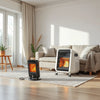
Room Heater Buying Guide: Stay Warm Safely
, by Amita Choudhary, 13 min reading time
, by Amita Choudhary, 13 min reading time
Updated on: 2026-08-31
If you feel cold indoors, a room heater can quickly bring comfort back to everyday routines. The right model helps you warm targeted areas without overworking your energy budget. With features like adjustable heat levels and safer operation design, you can create a cozy space for work, sleep, and family time. This guide walks you through choosing, using, and maintaining a heating device for reliable warmth season after season.
1. Buyer’s Checklist
2. Step-by-Step Guide
3. Placement and Usage Tips
4. Safety and Maintenance
5. Best Use Cases by Room
6. Visual Reference
7. What to Expect From a Quality Unit
8. Visual Reference
9. FAQ
Buying a room heater is easier when you match it to your space and your habits. Use this checklist to avoid common mistakes and get a model that delivers consistent comfort.
If you are also improving comfort in the rest of your home, you may find helpful guidance in this home comfort buying guide to balance warmth and indoor air quality.
Once you pick the right heater, using it well makes the biggest difference. Follow these steps to set up fast, safe, and comfortable warmth.

Warmth zones marked on a floor plan sketch
Even a great room heater can feel disappointing if it is placed in a poor location. The goal is to support airflow, reduce drafts, and keep warm air circulating inside the area you want to use.
Place the heater where it can distribute heat without being blocked. If a door frequently opens, position the unit so the warm air does not get immediately pulled out of the room. In living rooms, keep it away from direct contact with sofas or thick rugs that may restrict airflow.
Use lower warmth levels for steady comfort during reading or casual watching. Turn up the heat only when you need quick relief, such as when you return from outdoors. This approach helps maintain a balanced temperature instead of chasing extremes.
Cold rooms often feel colder because of airflow from windows, leaks, or open vents. Close curtains at night, seal gaps around doors when possible, and keep the heater away from areas where gusts constantly disturb the warm air layer.
Do not cover vents or block intake areas. A blocked heater can underperform and may run longer than expected. If you have pets or small kids, consider a setup that supports protective barriers or safe placement practices.
Comfort should come with peace of mind. A room heater is meant to be used daily during cooler seasons, so safe operation and basic care are worth your attention.
These habits help the heater stay efficient, reduce unpleasant smells from dust, and keep performance consistent through the season.
A room heater can support many lifestyles. Here are practical scenarios where the right heating approach feels effortless.
For bedrooms, focus on gentle warmth and quieter operation. Warmth before bedtime can help you relax faster, while lower settings can keep comfort without feeling heavy or overly hot.
When you need concentration, cold air can make tasks feel harder. A targeted heater near your desk can reduce discomfort during long reading sessions or after-hours work. Choose a stable placement so you stay focused on your tasks, not on temperature changes.
Living rooms are where you host, gather, and unwind. A heater helps you enjoy evenings on the couch without waiting for the whole home to warm. Use adjustable heat levels so family members with different comfort preferences can still find a good balance.
Even kitchens can feel chilly, especially during early cooking or late cleanup. Keep the heater away from cooking zones and focus on safe placement that supports airflow. Warmth during dining can also make shared time feel more enjoyable.
If you have a compact room that always feels drafty, a smaller heater can make a big difference. Use it in short, practical bursts when you enter and exit the area, and turn it off once the space feels comfortable.

Thermal comfort icons for bedroom, office, and living room
When you invest in a reliable room heater, you are not only buying warmth. You are buying convenience, control, and comfort you can feel right away. Quality models often provide:
Customers often tell us that a heater becomes their “comfort anchor” during cooler months. They like the quick setup and the ability to adjust heat without complicated steps. Many also mention how it helps them feel comfortable in the room they are actually using, rather than heating the entire home at once.
If you are setting up a complete indoor comfort routine, pairing a room heater with other home appliances can improve how the house feels overall. For example, if you are refreshing your home tech, browse electronics to find items that match your daily needs and comfort goals.
Comfort is not a luxury when you have the right heating solution. Pick a model that fits your room size, offers adjustable warmth, and supports safe daily use. Then place it with airflow in mind and tune the settings to match your routine. You will feel the difference quickly.
Want to explore options quickly? Visit our electronics collection and choose a setup that brings steady warmth to the rooms you use most.
Start with the area you want to warm and think about how long you spend in that room. If you want comfort for short periods, you can choose a smaller unit and use higher settings briefly. For steady comfort, pick a heater that can match your room size without needing extreme settings all day.
Lower heat settings are often more comfortable for everyday use, especially when paired with smart placement. Use higher output when you need quick relief, then reduce the setting to maintain a stable temperature. This helps you avoid feeling overheated while staying cozy.
Place it on a stable, flat surface with clear space around it. Avoid blocking airflow with curtains, bedding, or furniture. Aim for a spot that keeps warm air circulating inside the room you are using, not directly against drafty areas.
Keep vents and intake areas free from dust and debris. Before seasonal use, inspect the power cord and controls. After cooling down, store it in a dry place. Simple care helps maintain airflow and supports consistent performance.
Disclaimer: This article provides general product selection and usage guidance. Always follow the manufacturer’s instructions, safety warnings, and electrical requirements for your specific heating model.


At Ysvara Lifestyle, we help people make smarter shopping choices by curating the best, most reliable products from trusted brands across electronics, home appliances, fashion, and everyday essentials. We spend hours comparing real-world performance, customer feedback, and value-for-money so you don’t have to. Every recommendation is based on usefulness, durability, and honest insights — not just hype. Our mission is simple: to make online shopping effortless, transparent, and truly helpful. Explore better choices, discover hidden deals, and buy with confidence. ✨


