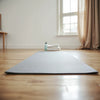
Non-Slip Yoga Mats: How to Choose the Right Grip
, by Amita Choudhary, 10 min reading time
, by Amita Choudhary, 10 min reading time
Updated on: 2026-09-03
Struggling with slipping during your practice can break your focus and slow your progress. Non-slip mats for yoga help you feel steady in every pose, especially when you add balance challenges or increase your intensity. A better grip also makes transitions smoother and reduces the constant need to reposition. If you want a more confident, comfortable practice at home, the right mat surface and fit can make a real difference.
Pros & Cons of Non-Slip Mats for Yoga
Step-by-Step Practical Guide
How to Choose the Right Non-Slip Mat
How to Use and Maintain It for Long-Term Grip
Real-Life Use Cases
What Customers Say
Wrap-Up
Q&A
Non-slip mats for yoga are designed to keep your feet, hands, and knees where you place them. That simple goal can change how your practice feels from the first minute to the final stretch.
Every product has trade-offs. Here are common considerations before you buy.
Use this guide to get the best results from a non-slip yoga mat. The steps below focus on choices you can make today, not complicated setups.
Start with the feel and grip you want, then match it to your practice style.

Split-screen: stable balance, cushioned joints, grippy texture
Good traction comes from correct use and simple care. Follow these steps to keep your non-slip mat for yoga performing session after session.
If you notice slipping over time, do not immediately assume the mat failed. Most grip issues improve with cleaning, drying fully, and adjusting your setup.
Non-slip mats for yoga are not only for advanced athletes. They are useful for many everyday situations where slipping disrupts comfort and consistency.
If you are new, your brain is already busy learning alignment. Slipping adds stress and can lead to rushed adjustments. A grippy surface supports safer weight placement, so you can focus on learning the pose instead of correcting your footing.
In flow classes, you move continuously. When the surface grip is consistent, you can transition without hesitation. That improves rhythm and helps you maintain form even when your heart rate rises.
During warm sessions, sweat can make any surface feel slick. A non-slip mat helps reduce that sliding feeling, letting you stay grounded while you work through longer holds and more intense sequences.
Many people practice in rooms that also serve other purposes. A stable mat can help you keep a reliable practice area even if you are setting up on slightly different floors.
You may practice in a hotel room, a friend’s space, or a different room at home. A non-slip surface helps maintain traction even when the floor is not exactly what you are used to.

Checklist-style visuals: clean mat, flat placement, dry storage
Product performance matters most when it shows up during real practice. Here are common outcomes people report when they upgrade to a grippy surface.
These points align with what most practitioners want: less sliding, more control, and a better connection to alignment. When your surface is dependable, you can spend more energy on breath and form.
If you are exploring ways to upgrade your practice environment beyond the mat, consider other comfort essentials too. A good workspace supports focus. You might also like the calming lighting experience from an LED table lamp such as wood LED table lamp for your practice corner.
Non-slip mats for yoga are a practical upgrade for anyone who wants more stability, smoother transitions, and greater confidence on the mat. The best results come from choosing a surface that matches your practice style, using it correctly, and keeping it clean so the grip stays reliable.
If your current mat feels slippery when you move, do not settle for frustration. Take the next step toward a steadier practice: select a grippy mat surface, set it up flat, and care for it regularly. You will likely notice the difference in balance, form, and how comfortable you feel from your first pose to your final stretch.
Ready to improve your at-home practice? Explore your yoga-mat upgrade options and choose a surface that keeps you grounded. Then make it part of your routine with simple cleaning and proper storage.
Yes. Beginners often struggle with confidence and alignment at the same time. A grippy mat reduces sliding, which helps you focus on correct positioning. That makes it easier to learn poses safely and stay consistent during practice.
Start by cleaning and drying the mat fully. Place it flat so the edges do not curl upward. If you sweat heavily, use a breathable towel to manage moisture. Also make sure your hands and feet land fully on the surface before you load your weight.
Most mats can lose traction if oils, sweat, and residue build up. Regular cleaning and proper drying help maintain performance. Storage also matters—keep the mat in a dry place and avoid leaving it damp.
A larger mat helps keep your hands and feet within the grippy zone during wide stances and transitions. If you often practice longer holds or deeper stretches, choosing a size that gives you room to move comfortably can make your practice feel more stable and controlled.


At Ysvara Lifestyle, we help people make smarter shopping choices by curating the best, most reliable products from trusted brands across electronics, home appliances, fashion, and everyday essentials. We spend hours comparing real-world performance, customer feedback, and value-for-money so you don’t have to. Every recommendation is based on usefulness, durability, and honest insights — not just hype. Our mission is simple: to make online shopping effortless, transparent, and truly helpful. Explore better choices, discover hidden deals, and buy with confidence. ✨


