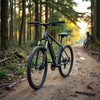
Entry-Level Mountain Bike Buyer Checklist for Beginners
, by Amita Choudhary, 14 min reading time
, by Amita Choudhary, 14 min reading time
Updated on: 2026-08-30
If you are shopping for an entry-level mountain bike, you want comfort, control, and confidence without overspending. This guide breaks down what to look for in the first ride and the second ride—frame size, suspension basics, braking, tires, and gearing. You will also get real-world buyer perspectives and practical setup steps so you can avoid common mistakes. By the end, you will know how to pick a bike that fits your trails, your height, and your goals.
Table of Contents
An entry-level mountain bike is not “just a starter.” It is the bike that teaches you how to ride with control. When the bike fits well and the components match your terrain, you spend more time riding and less time fighting your setup.
Most new riders face three problems: they feel uncomfortable after 20–30 minutes, they lose confidence on uneven ground, and they wonder if they should have bought a more expensive model. The good news is that you can reduce all three issues with smart choices. Focus on geometry for stability, tires that grip, brakes that stop smoothly, and gearing that keeps you moving on climbs.
If you plan to ride local trails, parks, gravel paths, or mild singletrack, a beginner-friendly mountain bike gives you the right foundation. You can also upgrade later as your skills grow. That is what makes it a long-term buy instead of a quick experiment.
The first time I rode a mountain bike that was “okay” on paper, I still felt unsure. The bike moved, but it did not feel supportive. After I adjusted the saddle, checked the brake reach, and swapped in tires that matched the trail surface, everything changed. I did not become an expert overnight. I just felt in control.
That is why I recommend choosing a beginner-ready bike based on how you will ride. If your goal is weekend trail loops and growing your confidence, the right setup turns your bike into a reliable partner. When you feel safe, you try more lines. When you try more lines, your skills grow.
Adjusting saddle, brake reach, and handlebar height
Picking the right entry-level mountain bike starts with your body and your typical rides. Think about the trails you actually ride, not the trails you hope to ride someday. This approach prevents buyer’s remorse and helps you stay comfortable long enough to improve.
Frame size impacts everything: your balance, your leverage, and your confidence. If you are between sizes, choose the fit that lets you maintain a relaxed bend in the elbows and knees. A bike that fits well reduces fatigue and helps you steer smoothly on bumps.
Beginners often benefit from a more upright, stable stance. You get better visibility and more control at low speeds. Too aggressive a posture can make your back tense and your hands grip harder than needed.
Many beginner bikes come with front suspension (a fork). This helps with front-wheel impacts and makes it easier to stay in control when the trail gets rough. If you mostly ride smooth paths with occasional bumps, basic suspension may be enough. If you tackle rocky trails, you may want more travel and better damping feel.
Large wheels roll over obstacles more easily, while smaller wheels can feel nimble. For most new riders, the goal is simple: comfort and control over speed. Choose a wheel size that feels stable when you slow down for turns and starts.
Some specs matter more than others, especially at the entry level. Instead of chasing every upgrade, focus on the parts that directly affect your day-to-day ride.
Look for brakes that are easy to modulate. You should be able to slow down smoothly without grabbing suddenly. For new riders, predictable braking reduces fear on steep or uneven sections.
A wider gear range helps you keep pedaling on climbs. If your bike has gears that let you stay at an comfortable cadence, you will feel stronger longer. It also makes riding with friends more fun because you can match pace without panic shifting.
Tires decide how the bike feels on dirt, loose gravel, and wet patches. Wider tires often provide more comfort and a larger contact area. Tread pattern matters too: more aggressive tread improves traction, while smoother tread rolls faster on hard-packed trails.
Comfort is not a luxury. Good grips and a stable bar setup reduce numbness and help you steer with relaxed arms. If your hands feel tired early, the bike may be fitted slightly wrong.
A sturdy frame makes handling consistent. You want a bike that feels planted when you corner and stable when you hit small obstacles. At the entry level, build quality can make a bigger difference than advanced features.
If possible, test ride the bike where you plan to ride. Bring a friend if you can, and pay attention to small details that reveal how the bike will feel over time.
Helmet, gloves, and bike fit alignment for comfort
New riders often want reassurance before buying. Here are the kinds of outcomes people commonly describe when they choose a beginner-ready trail bike and take the time to tune it.
“I finally stopped dreading climbs.” One rider said that after adjusting gearing and saddle height, hills felt less exhausting. The bike kept momentum without forcing hard, awkward pedaling. That made their weekend rides more enjoyable and helped them stay consistent.
“Brakes feel safer than I expected.” Another buyer mentioned that predictable braking helped them learn faster. They felt more comfortable practicing turns and controlled stops. As confidence grew, they started riding longer loops.
“Comfort improvements made it stick.” A different customer shared that after dialing in the handlebar and seat position, their rides stopped ending early. They were able to finish routes and focus on learning, not managing discomfort.
If you want similar results, choose the entry-level mountain bike that matches your terrain and commit to a proper setup. Comfort and control are the biggest multipliers for beginner success.
Trail map with tire pressure icons and quick checks
Shopping is exciting, but a few common errors can make even a good bike feel disappointing. Use these reminders to protect your purchase.
Lowest price does not always mean best value. Pay attention to braking feel, tire suitability, and proper sizing. A bike that fits and stops well will deliver more riding time than a cheaper option that feels awkward.
Many beginner riders underinflate tires too much, then blame the bike for poor handling. Correct pressure improves grip and rolling feel. If you ride on loose surfaces, adjust pressure for traction. If you ride packed paths, slightly higher pressure can help speed.
Riding should feel smooth. If you hear squeaks or shifts become inconsistent, check cables, clean drivetrain parts, and lubricate appropriately. Simple maintenance protects performance and reduces wear over time.
People often shift late, then struggle. Shift earlier and use easier gears before the climb steepens. This builds a rhythm that makes riding calmer.
If your rides are mostly smooth, a heavy suspension setup can feel less responsive. If your rides are rocky, too little front support can reduce control. Match suspension performance to the terrain you ride most.
Choosing an entry-level mountain bike is about more than picking a style. It is about building confidence through the right fit, predictable braking, suitable tires, and gears that help you keep momentum. When your bike feels comfortable and controlled, you ride longer and learn faster.
Before you buy, focus on sizing, test ride for real comfort, and tune the setup right away. After purchase, keep tire pressure and basic maintenance on your routine. Those small actions create big improvements in how the bike performs over weeks, not just on day one.
Ready to ride more confidently? Choose your next beginner trail bike and make setup a priority. If you want to explore other gear and home comfort items that pair well with active routines, you can browse relevant categories on our site: electronics and storage and comfort essentials.
This article is for general informational purposes and does not replace professional fitting or safety guidance. Always wear a helmet and follow local safety rules when riding. Product availability, specifications, and features may vary by model and seller.
Start with the brand’s sizing chart, then confirm it with a test ride. Your knees should move comfortably while pedaling, and you should be able to reach the brakes without overreaching. If you feel stretched or cramped, adjust the seat and handlebar first. If it still feels off, consider the next size.
For many beginner riders, tires make the biggest immediate difference in grip and comfort. Suspension helps with control over bumps, but tires directly affect traction and handling. If you ride loose or wet surfaces, prioritize tires. If you ride rocky sections often, suspension becomes more important too.
Yes, as long as you choose tires and gearing that match your common routes. Flat rides still include starts, stops, and occasional uneven patches. A beginner-friendly frame and reliable brakes will help you stay comfortable while you build skills.
At minimum, check tire pressure before rides and inspect brakes and drivetrain condition regularly. If you ride in wet or dusty conditions, clean and lubricate the drivetrain more often. If shifting becomes inconsistent or braking feels uneven, address it sooner rather than later.


At Ysvara Lifestyle, we help people make smarter shopping choices by curating the best, most reliable products from trusted brands across electronics, home appliances, fashion, and everyday essentials. We spend hours comparing real-world performance, customer feedback, and value-for-money so you don’t have to. Every recommendation is based on usefulness, durability, and honest insights — not just hype. Our mission is simple: to make online shopping effortless, transparent, and truly helpful. Explore better choices, discover hidden deals, and buy with confidence. ✨


