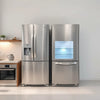
Energy Efficient Refrigerators: Key Buying Guide Tips
, by Amita Choudhary, 11 min reading time
, by Amita Choudhary, 11 min reading time
Updated on: 2026-09-01
Energy efficient refrigerators can help reduce electricity use without sacrificing food care. They also tend to run more consistently, which can support stable cooling. In this guide, you will learn how to spot efficiency features, avoid common usage mistakes, and set up your fridge for better performance. You will also find practical steps you can apply right away to make daily operation more economical.
2. Detailed Step-by-Step Process
3. What Makes Refrigerators More Efficient
4. Placement and Setup That Improves Efficiency
5. Daily Habits for Lower Energy Use
6. Maintenance Checks That Keep Efficiency High
Improving performance is often more about setup and routine than about fancy settings. Below is a practical approach you can follow, whether you are comparing models or already own one.
Start with the energy label
Compare the expected annual electricity use or energy consumption figure across similar models and sizes.
Match capacity to your routine
A fridge that is too large may cool more air than you need, while one that is too small may require frequent refills.
Place the unit for airflow
Ensure there is space around the back and sides so heat can move away efficiently.
Set temperatures at a sensible level
Use the manufacturer’s guidance as the starting point. Small adjustments can be more effective than constant changes.
Store items in a balanced way
Allow some circulation space around vents, and avoid blocking internal airflow with oversized stacks.
Plan for leftovers and hot food
Let cooked food cool to room temperature before placing it inside. This helps reduce the cooling load.

Airflow diagram with vents, gaps, and arrows
When you compare models, the best value is usually found in the combination of design choices and control systems. Rather than focusing on one feature, it is helpful to understand how each part supports lower energy use.
Modern cooling systems can adjust how hard they work. In many efficient designs, the compressor varies its output based on cooling needs. This approach can reduce the “on-off” cycling that wastes energy, especially when the door is opened often.
Good insulation slows down heat transfer. Thick, well-sealed walls help the refrigerator maintain cool temperatures with less effort. Door gaskets also play a key role. If the seal is worn, cold air escapes and warm room air replaces it.
Efficient refrigerators often include sensors that monitor conditions and respond gradually. Some models may also include modes such as vacation or eco settings. These can reduce energy use when you do not need maximum cooling performance.
Defrost cycles can affect energy use. Models designed with more efficient defrost strategies may avoid unnecessary heating. You may not notice this day to day, but it can influence overall electricity consumption.
Air that circulates evenly helps keep temperatures stable. When cold air moves consistently, the system may need fewer recovery cycles after door openings.
If you would like to explore options within fridge and refrigerator categories, you can browse a curated selection here: fridge and refrigerator collection.
Even a strong unit can underperform if it is installed in a way that traps heat. Placement and basic setup often determine how smoothly the cooling system can do its job.
Refrigerators release heat while running. If the back is pressed against a wall or cabinets, the heat may not dissipate well. Follow your model’s manual for clearance requirements. As a general rule, leaving space behind and around the unit helps airflow and supports efficient operation.
Try to keep the refrigerator away from ovens, direct sunlight, or heating vents. When the surrounding air is warmer, the fridge must work harder to maintain temperature.
When a fridge is not level, doors may not close fully. This can lead to uneven cooling and added energy use. Leveling is a small step that can prevent larger problems.
Do not pack items so tightly that air cannot circulate. Many fridges use vents for airflow inside. Leaving a little room around vents can support more stable temperatures and smoother compressor cycles.

Kitchen layout sketch showing clearance, shade, and airflow
Energy efficient refrigerators generally reward consistent habits. Small choices repeated throughout the day can reduce the cooling workload.
When items are easy to locate, the door stays open for less time. Consider using bins for similar foods and keeping frequently used items at eye level.
Putting hot or very warm food inside can increase the cooling demand. Cooling food outside first can help the fridge recover without long compressor runs.
Covering food helps limit excess moisture and reduces the chance of ice buildup in some areas. Less ice can mean fewer interruptions in cooling performance.
Temperature preferences are personal, but extreme settings are usually not necessary. If the fridge feels overly cold, instead of lowering the temperature repeatedly, verify placement and airflow and then make only small adjustments.
Frost can reduce efficiency over time. If you notice heavy frost on specific shelves or sections, check whether items are blocking vents or whether the door seal is compromised.
For more guidance on maintaining household appliances efficiently, you might find helpful tips in this related reading: setup and care tips for a washing machine. While it is a different appliance, the idea is similar: proper setup and routine checks often improve day-to-day performance.
Over time, efficiency can decline when performance problems go unnoticed. Regular checks are a thoughtful way to protect cooling quality and limit wasted energy.
Close the door on a thin piece of paper. If it slides out too easily, the seal may not be tight. Replace worn gaskets when needed to avoid cold air leakage.
Dust near the cooling system can reduce heat transfer. Many refrigerators have a condenser coil area that benefits from periodic cleaning. Use care and follow the manufacturer’s instructions for safe cleaning.
Spills can affect odor and airflow. Wipe shelves and drawers as needed. A clean interior supports consistent cooling and reduces the need for longer recovery cycles after messes.
If your fridge has air vents or sensors, keep them clear of obstruction. Avoid covering vents with large containers.
Some units need manual defrosting. If ice is building up more than expected, address it early. Heavy frost can reduce cooling efficiency and increase energy use.
Eco modes can be helpful when you are away or when your food storage needs are lower. If you choose these modes, confirm the manufacturer’s guidance so food stays at a safe, comfortable temperature.
Energy efficient refrigerators can lower electricity use when they are matched to your space and used thoughtfully. By paying attention to energy ratings, placing the unit with good airflow, organizing storage to reduce door openings, and maintaining clean seals and coils, you can support stable cooling with less wasted effort. If you ever feel unsure, begin with the manufacturer’s settings and adjust slowly based on real performance.
To explore refrigerator options and find models that fit your needs, you may also browse: kitchen appliances.
You can start by checking the energy label from the purchase documentation or the label on the unit, then comparing expected annual electricity use with similar models. Next, observe real behavior: frequent long compressor runs, excessive frost, or noticeable warm air inside after door openings can point to inefficiency. If the door seal is weak or airflow is blocked, the fridge may consume more energy even if it was designed to be efficient.
They are often helpful when your household demand is lower. However, the best choice depends on your model and how much food you are storing. If you use eco settings, it can be wise to review the manufacturer’s guidance and monitor temperatures so food remains in the recommended range. If you notice uneven cooling, consider returning to a standard setting and checking airflow and seals.
Keeping the door closed as much as possible is a practical first step. Organizing shelves so you can find items quickly, reducing how long the door stays open, and avoiding frequent temperature changes can all help the compressor recover less often. Along with that, ensuring door seals fit well can make a noticeable difference.
In many cases, yes. Refrigerators need airflow for heat release. When the back and sides are pressed too closely against walls or cabinets, heat can build up around the unit and increase workload. Following the clearance guidance in your model’s manual is the most reliable approach.


At Ysvara Lifestyle, we help people make smarter shopping choices by curating the best, most reliable products from trusted brands across electronics, home appliances, fashion, and everyday essentials. We spend hours comparing real-world performance, customer feedback, and value-for-money so you don’t have to. Every recommendation is based on usefulness, durability, and honest insights — not just hype. Our mission is simple: to make online shopping effortless, transparent, and truly helpful. Explore better choices, discover hidden deals, and buy with confidence. ✨

