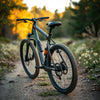
Dual Suspension Gear Cycle Buying Guide for Smoother Rides
, by Amita Choudhary, 12 min reading time
, by Amita Choudhary, 12 min reading time
Updated on: 2026-09-01
Choosing a dual suspension gear cycle can change the way you ride every day. It helps smooth out bumps, improves control, and makes longer trips feel more comfortable. With the right setup, you can enjoy better traction and less fatigue on mixed roads. This guide walks you through what to look for, how to buy with confidence, and how to keep your ride performing well.
1. Buyer’s Checklist
2. Step-by-Step Guide
3. FAQ
If you are shopping for a dual suspension gear cycle, your goal is simple: ride smoother, stay in control, and match your bike to how you actually travel. Use this checklist to avoid common buying mistakes and find a setup that feels right on day one.
Comfort starts with fit. Look for a frame size that matches your height and reach. If the handlebars feel too far or too low, you will tire faster. A properly fitted dual suspension gear cycle supports stable steering and reduces strain on wrists and back.
Not all suspension is built for the same roads. If you mostly ride city streets with occasional broken patches, you do not need the most aggressive travel. If you tackle rough paths, more effective suspension helps keep your wheels in better contact with the ground, improving control and traction.
A gear cycle is only useful when shifting matches your climbing and cruising needs. For mixed terrain, you want a drivetrain that offers a wide range of gears. This lets you pedal comfortably on hills and maintain speed on flat stretches without harsh spin or strain.
Confidence on every ride comes from predictable stopping. Check brake responsiveness and make sure both front and rear brakes feel balanced. For wet or dusty routes, reliable braking matters even more because you may need quick, controlled stops.
Your tire choice can make suspension feel better or worse. Wider tires often improve comfort and grip on uneven roads. If you ride on smoother surfaces, you can choose tires that roll efficiently. If your routes include gravel or dirt, select tires designed for stability and traction.
Before you buy, take note of shifting quality. Gear changes should feel crisp and consistent. If you hear frequent skipping or feel resistance when shifting, the setup may need adjustment. A well-tuned dual suspension gear cycle delivers smoother power transfer and a more enjoyable ride.

Checklist icons for fit, suspension, gears, brakes
Once you understand what to check, the next step is choosing confidently and setting up your cycle for real-world comfort. Follow this simple process to reduce guesswork and get more from your investment.
Write down the surfaces you ride most: smooth roads, uneven neighborhoods, gravel shortcuts, or steep climbs. Then choose a suspension setup and tire style that fit that mix. A dual suspension gear cycle works best when its strengths match your environment—comfort for rough patches and stability for varied traction.
When fit is right, you can stay relaxed longer. Set seat height so your legs extend comfortably at the lowest pedal point. Then check how you reach the handlebars. You should be able to maintain control without leaning too far forward.
Suspension must support your weight and riding style. Too little sag can feel harsh; too much sag can reduce efficiency. Start with the manufacturer guidance for setup, then test on small bumps. Adjust until the front and rear feel balanced when you ride over uneven sections.
Your gear cycle should help you climb and cruise without constant correction. After assembly or purchase, do a quick setup check: ensure the chain runs smoothly, shifts cleanly across gears, and does not rub on the frame. If shifting feels delayed, a minor adjustment can restore performance.
Comfort often comes from the details. Consider grips and saddle options that suit your pressure points and riding duration. If you plan longer rides, better contact points can reduce fatigue and keep your posture steady.
Verify tire pressure, brake feel, and wheel alignment. Make sure quick releases are properly secured. Spin each wheel and ensure brakes do not drag. A dual suspension gear cycle is a confidence tool—your first ride should feel stable, smooth, and predictable.
After a few rides, reassess comfort and performance. Suspension may settle slightly, and you may want fine adjustments to shifting. Use your real ride data: if you feel bouncing, check suspension settings; if shifting is inconsistent, revisit drivetrain tuning. Small refinements make a noticeable difference.

Wrench, gauge, and route map for fine-tuning setup
People do not buy suspension and gears just for features. They buy them for outcomes: comfort, control, and confidence. Here are practical scenarios where a dual suspension gear cycle stands out.
City streets often include potholes, speed breakers, and rough patches. Rear and front suspension work together to reduce shock, helping you maintain smoother handling. Combined with gears, you can adapt your cadence to traffic stops and short hills without feeling strained.
Even if you do not ride professionally, you might take shortcuts on dirt or gravel. Suspension helps keep tires in contact with the ground when surfaces change. Gearing supports steady effort when traction drops and rolling resistance increases.
Long rides can be tough when your bike transmits every bump into your body. With dual suspension, you can ride longer while staying comfortable. A gear range also helps you manage effort levels during interval-style routes or steady-paced climbs.
If you ride together, comfort matters for both riders. When suspension tuning is correct and shifting is smooth, the bike feels stable at varying speeds. That can help everyone focus on the route instead of fighting bumps or struggling with gear changes.
While experiences vary by route and setup, customers often mention similar improvements after choosing the right dual suspension gear cycle. Here are common feedback themes that reflect what buyers want most.
More comfort on rough patches: Riders report less harsh impact and a smoother feel over uneven streets.
Confident handling: Many value stable steering when roads change suddenly.
Easier climbing: A well-matched gear range helps maintain a steady rhythm on hills.
Enjoyment increases: When shifting is smooth and suspension feels balanced, rides feel more relaxing.
If you are comparing options, remember that performance depends on fit, setup, and tuning. A dual suspension gear cycle is most satisfying when it matches your body and your terrain.
Maintenance protects comfort and performance. A few simple habits can extend the feel of your suspension and the reliability of your gears.
Clean the chain and gears regularly, especially after wet rides. Apply appropriate bicycle lubricant and wipe off excess. This helps shifting stay crisp and reduces wear.
Good pressure improves rolling comfort and grip. Inspect tires for wear and replace when tread becomes too low. Tires that match your surfaces also help suspension work the way it should.
Check brake pad condition and ensure lever feel is consistent. If the bike squeaks or braking feels uneven, address it early. Reliable brakes keep your ride safe and predictable.
Follow the manufacturer’s guidance for suspension service intervals. If you notice a change in feel, bounce behavior, or rebound control, get a professional check. Well-maintained suspension helps your ride stay stable.
If you want a bike that handles bumps better, supports confident control, and helps you climb and cruise with less strain, a dual suspension gear cycle is a strong choice. Start with fit, match suspension and tires to your routes, and tune gears for smooth shifting. Then test it on a familiar loop so you can feel the difference quickly.
Explore bike accessories can also help you improve comfort and safety. If you are expanding your home setup for after-ride relaxation, consider browsing everyday electronics that support your routine.
Call to action: Choose your size, confirm your route needs, and set up your drivetrain and suspension. When your cycle matches your lifestyle, every ride feels smoother and more rewarding.
Disclaimer: This article is for general information and does not replace professional advice or product-specific instructions. Always follow the manufacturer’s manual for setup, safety checks, and maintenance.
It can be. If your commute includes potholes, speed breakers, or uneven pavement, dual suspension helps reduce shock and makes handling steadier. If your roads are consistently smooth, you may not notice as much benefit, but comfort improvements can still be significant.
Start with the manufacturer’s baseline and adjust for your weight and riding feel. The goal is balance: the bike should absorb bumps without excessive bottoming out, and it should feel stable when you pedal and corner. If it feels harsh or bouncy, revisit sag and rebound settings.
For climbs, you want gears that let you keep a comfortable cadence without grinding. A wider range between lower and higher gears helps you adapt to steep sections and then return to efficient cruising on flats.


At Ysvara Lifestyle, we help people make smarter shopping choices by curating the best, most reliable products from trusted brands across electronics, home appliances, fashion, and everyday essentials. We spend hours comparing real-world performance, customer feedback, and value-for-money so you don’t have to. Every recommendation is based on usefulness, durability, and honest insights — not just hype. Our mission is simple: to make online shopping effortless, transparent, and truly helpful. Explore better choices, discover hidden deals, and buy with confidence. ✨


