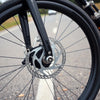
Double Disc Brake Cycle Buying Guide for Better Control
, by Amita Choudhary, 12 min reading time
, by Amita Choudhary, 12 min reading time
Updated on: September 3, 2026
Choosing the right braking and safety cycle matters more than most people think. A double disc brake cycle helps you handle riding stresses with confident control and steadier stopping power.
This guide explains how it works, what to look for, and how to use it for everyday routes and demanding conditions.
You will also find buying tips, realistic use cases, and practical FAQs to help you make a smart decision.
Table of Contents
If you have ever felt unsure about stopping power during sudden slowdowns, you already understand why braking design is so important. A double disc brake cycle is built to support smoother control and stronger confidence when you need it most.

Two braking signals, steady control, clean motion lines
At its core, a double disc brake cycle uses two disc braking points to deliver a structured sequence of braking support. Instead of relying on one contact area to do all the work, the system distributes braking load across the cycle.
That distribution can create a calmer braking feel. It can also reduce pressure peaks that happen when one brake source carries every slowdown. The result is a cycle that supports more predictable response, especially when you repeat braking events across a commute.
To get the best results, treat the cycle as part of your overall setup: the right disc hardware, proper pad condition, and correct alignment. When those pieces work together, the braking sequence becomes smoother and more consistent.
Follow this simple workflow to keep your double disc brake cycle performing the way it should. This is written for riders who want a reliable routine without guesswork.
Before you test hard stops, do a few controlled slowdowns. Listen and feel for consistent resistance and smooth engagement. If you notice grabbing, squealing, or sudden change in feel, pause and re-check alignment and pad condition.
For traffic patterns, practice predictable braking. Apply braking steadily, rather than snapping on full force. A well-tuned double disc brake cycle performs best when you let the system do its job across the sequence.
After cleaning, pad changes, or adjustments, do a short test ride in a safe area. Confirm that the braking feel is stable through multiple slowdowns.
If you want to improve overall ride confidence, pair your braking performance with smarter home readiness. For example, if you rely on other electronics at home for daily comfort, you can explore quality options like inverter AC guidance for efficient cooling—a reminder that consistent performance often comes from the right setup and upkeep.
Not all riders need the same braking style. A double disc brake cycle is especially useful when your day includes repeated braking moments, variable road conditions, or frequent route changes.
Some riders also use the cycle as part of a broader “control first” approach. That means they focus on tire condition, correct tire pressure, and steady handling—all of which work alongside a strong braking sequence.

Traffic lights, wet road texture, steady braking arcs
A double disc brake cycle is only as strong as the details around it. The best results come from simple maintenance habits that keep everything aligned and responsive.
Dust and residue can reduce braking consistency. Clean the disc area as recommended for your brake type, and inspect pads for even wear. If one pad wears faster than the other, investigate alignment or rubbing.
When pads become too thin, performance can shift quickly. Replace pads before you reach a point where braking feel becomes unpredictable.
During longer descents or repeated hard braking, the system may heat up. If you notice a sudden change in how the brakes engage, slow down and give the system time to stabilize before continuing.
Even small misalignment can create uneven contact and inconsistent engagement. Tighten fasteners to spec and confirm the discs stay true.
For riders who want their daily experience to feel smooth, think about consistency across everything you use. For instance, if you invest in home comfort devices, you can also read this home air purifier buying guide to learn how to choose products based on fit, maintenance, and real-life use.
Nothing builds trust faster than real rider experiences. While every setup differs, customers often describe the same themes: confidence, repeatability, and less worry during routine braking.
Rider story: daily commute confidence
One customer shared that the double disc brake cycle helped them feel calmer at intersections because the braking felt more predictable during stop-and-go traffic. They also mentioned that after a routine pad check, the engagement felt smoother across multiple slowdowns.
Rider story: more stable downhill control
Another customer said they appreciated how the system supported steadier braking feel during repeated deceleration on longer routes. They emphasized that pairing the cycle with smoother braking technique made the biggest difference.
Rider story: fewer “surprise moments”
A third rider described fewer unexpected changes in braking response. They noted that maintenance habits—especially checking pad wear and disc condition—helped keep performance consistent.
These testimonials reflect common experiences that come from good setup and regular care. Results can vary based on your brake components, riding style, and environment.
If you are ready to upgrade your braking confidence, start with the double disc brake cycle and build a complete, balanced system around it. Focus on the parts that affect how the cycle feels in real life: disc condition, pad wear, alignment, and your braking technique.
Here is a quick checklist to decide your next step:
For riders who want a practical “upgrade mindset,” consider exploring other quality equipment categories too. For example, if you spend more time at home than you used to, you might enjoy electronics selections that match your daily routine—because the same principle applies: good experiences come from choosing the right fit and keeping it in good condition.
Ready to feel more confident every time you slow down? Review your current braking setup, confirm component condition, and choose the cycle approach that supports predictable control. If you want help comparing options, review product details on the site and select what matches your riding use case.
Disclaimer: This article is for general informational purposes. Braking performance depends on your specific components, installation quality, maintenance routine, rider technique, and road conditions. Always follow manufacturer instructions and safety guidelines for your vehicle or braking system. Do not modify or install components unless you are confident in safe setup practices.
It is designed to distribute braking support across a sequence, which can lead to steadier engagement and more predictable feel during repeated slowdowns. Actual results depend on the quality of the components and correct alignment.
If you notice uneven pad wear, unusual noise, sudden changes in braking feel, or inconsistent resistance during controlled tests, check pad condition, disc surfaces, and alignment. After any maintenance, re-test with gentle braking in a safe area.
It is often used to support consistent braking feel in mixed conditions. However, safe riding still depends on tire traction, spacing, and smooth braking technique, especially in wet weather.
Inspect regularly as part of routine care. If you ride frequently or in challenging conditions, check discs and pads sooner. Replace worn parts before braking feel becomes inconsistent.


At Ysvara Lifestyle, we help people make smarter shopping choices by curating the best, most reliable products from trusted brands across electronics, home appliances, fashion, and everyday essentials. We spend hours comparing real-world performance, customer feedback, and value-for-money so you don’t have to. Every recommendation is based on usefulness, durability, and honest insights — not just hype. Our mission is simple: to make online shopping effortless, transparent, and truly helpful. Explore better choices, discover hidden deals, and buy with confidence. ✨


