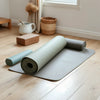
Choosing High-Quality Yoga Mats for Better Practice
, by Amita Choudhary, 13 min reading time
, by Amita Choudhary, 13 min reading time
Updated on: 2026-09-01
Choosing the right mat can change how stable and comfortable your practice feels. High-quality exercise yoga mats help you stay grounded during flows, strength work, and recovery sessions. They also support better comfort for wrists, knees, and hips by adding consistent cushioning. In this guide, you will learn what to look for, how to use your mat for different goals, and how real shoppers describe their results.
Table of Contents
When you start practicing at home, the mat you choose becomes your foundation. A good surface helps you feel confident while you move. High-quality exercise yoga mats are built to support stability, comfort, and a smooth practice experience from warm-up to cool-down.
First, they improve comfort. Knees and wrists take a lot of work during poses and transitions. With the right thickness and cushioning, you can reduce pressure points and stay focused on your alignment instead of discomfort.
Second, they help you move with control. A mat with reliable grip reduces slipping when you sweat, switch stances, or hold balance. That means fewer breaks to adjust your footing and more time training your body.
Third, they offer more than one workout. Whether you love yoga, Pilates, stretching, or strength training on the floor, a dependable mat gives you a consistent feel across sessions. Over time, that consistency can help you build a routine that sticks.
Finally, the right mat lasts longer. Better construction helps resist flattening and everyday wear, so your practice stays comfortable session after session. If you want a practical upgrade for daily training, this is one of the easiest changes you can make.

Comfort zone: cushioned knees, stable base, steady grip
Choosing a mat is not only about thickness or color. The best match depends on your workout style, your body needs, and your space. Use this checklist to narrow down your options and find a mat that supports your goals.
Think about what you do most. If you practice yoga, look for a surface that stays grippy during transitions. If you do strength training, you may prefer a mat with supportive cushioning for floor exercises and plank work.
Thickness affects comfort and stability. Thicker mats often feel more padded for knees and hips. Thinner mats can feel more “connected” to the floor for balance and stability. Many people choose a medium range so they get cushioning without sacrificing control.
A textured top can improve traction and reduce slipping. But texture also affects comfort. If you find rough surfaces distracting, choose a finish that feels supportive yet smooth enough for your skin.
If you bring your mat to a class or practice in different rooms, portability matters. Look for a design that rolls easily and stores neatly. A mat that is pleasant to carry is more likely to be used consistently.
You should be able to clean your mat with a simple routine. When the surface is easy to wipe down and it maintains its shape over time, you can keep using it without worry.
If you want to build a complete home routine, you may also enjoy creating a calm setup. For example, you can pair your workout space with a focused lighting solution like the wireless wood LED table lamp to help set the mood for stretching and wind-down sessions.
Materials and cushioning work together to shape your comfort. A mat that is too soft can feel unstable during balance poses. A mat that is too firm can create pressure on sensitive joints. The best high-quality exercise yoga mats balance both.
When you kneel for lunges, hold low poses, or do floor work, a cushioned surface helps reduce strain. This is especially helpful if you practice daily or train after workouts.
Comfort is important, but responsiveness matters too. You want a mat that supports you without feeling bouncy or collapsing. That way, your core and alignment can do their job.
Your hands and feet should feel connected, not sticky. A good surface helps you maintain contact while still allowing smooth motion. If your mat feels too slick when damp, slipping becomes frustrating fast.
To get a better sense of what fits your space, consider how you will store and roll your mat. A mat with consistent structure helps it return to shape after you unroll it.

Practice flow: textured contact, balanced stance, steady breath
Grip is one of the biggest reasons people upgrade their mats. During a vinyasa flow, your feet and palms repeatedly move. If the mat shifts on the floor, you lose confidence and your form can suffer.
Look for a mat that includes traction on the surface and stability underneath. Surface traction helps prevent sliding during sweaty sessions. A stable base helps keep the mat in place on common indoor floors.
Fewer readjustments: You can transition without stopping.
Better balance: Holds feel steadier when your base stays put.
More control: Your movement becomes smoother and more intentional.
If you are comparing options, unroll the mat and test it with a few simple movements. Walk into a plank for a moment, step back into a lunge, and hold a basic balance. Notice how your hands and feet feel and whether the mat stays aligned where you place it.
Remember, grip can vary with humidity and sweat. That is why a consistently textured top and dependable stability are key features of high-quality exercise yoga mats.
A great mat is versatile. It should support the way you train, not limit it. Here are common use cases where a quality mat makes a noticeable difference.
From gentle stretching to dynamic flows, a supportive mat helps you stay comfortable while you build form. During low lunges and seated poses, cushioning helps you hold positions without feeling pressed into the floor.
Pilates often includes precise floor movements. A stable surface supports controlled transitions, and the cushioning helps reduce impact for exercises like leg lifts and core sequences.
When you do planks, mountain climbers, and floor presses, your mat becomes your “training platform.” Better traction and consistent cushioning help you maintain alignment, especially when you start feeling tired.
Recovery sessions are all about comfort and ease. A mat that feels good under knees and hips encourages you to spend more time stretching. That can help you feel more relaxed after workouts or busy days.
If your practice happens in a shared living area, you also need a mat that fits your routine. The right mat helps you create a dedicated practice zone, even if space is limited. You can roll it out for sessions and store it neatly when you are done.
Many shoppers also think about the overall environment. Warm lighting can make stretching feel calmer, which is why some people pair their routine with a touch control LED lamp to set a comfortable mood.
Keeping your mat clean is part of getting consistent results. A simple routine helps your mat stay comfortable and helps it maintain its grip and feel over time.
After practice, wipe the top surface with a soft cloth. If you sweat, this extra step helps keep the surface feeling fresh and improves your next session’s traction.
Choose a mild, non-abrasive cleaner that is safe for the mat’s material. Avoid harsh chemicals that can break down the surface over time.
Moisture left trapped under a rolled mat can create unpleasant odors. Air out your mat before rolling it up and storing it.
When you store your mat, keep it flat or roll it loosely. Avoid leaving it compressed for long periods. That helps the mat keep its shape and cushioning feel.
With basic care, high-quality exercise yoga mats can stay a reliable part of your routine for a long time.
Sometimes the best way to decide is to hear how the mat performs in real routines. Here are common themes customers mention when they switch to better-quality mats.
Many shoppers say their confidence improved after they found a mat with consistent traction. They notice fewer corrections during transitions, and their balance feels more stable in held poses.
Practitioners who do frequent floor work often mention that cushioning makes a visible difference. They like that the mat reduces pressure during kneeling and low poses, which helps them stay longer in their sessions.
Several reviews highlight the balance between softness and stability. Shoppers want a mat that cushions joints without feeling too flexible when they need firm support for core work.
People also value maintenance. When wiping and drying are easy, the mat becomes part of routine rather than a hassle. That makes consistency more likely, which is where real progress comes from.
If you are ready to upgrade your practice foundation, consider choosing a mat that matches your style and comfort preferences. Start with the features that matter most: grip, cushioning, and easy upkeep.
Call to action: Upgrade your floor practice today with high-quality exercise yoga mats designed for comfort and stability. Select a mat that fits your workout style, then roll it out consistently—your body will notice.
Thickness depends on what you practice and how your joints feel. If you often kneel or do long floor sessions, a thicker mat can add helpful cushioning. If you focus on balance poses or want a more connected feel, a thinner option may feel better. Many people prefer a medium thickness for a balance of comfort and control.
Yes, grip is designed to help you stay stable when your hands and feet get damp. Look for a textured surface and a stable base so the mat stays where you place it. With consistent practice and basic wiping after workouts, your mat can keep performing session after session.
Wipe your mat after each session using a soft cloth. When deeper cleaning is needed, use a mild cleaner that is safe for the mat material, then rinse lightly if the product instructions recommend it. Always dry the mat fully before rolling it up to help prevent odors and maintain surface feel.
Disclaimer: This article is for general informational purposes only and is not medical advice. Choose products based on your personal comfort and needs, and consult a qualified professional if you have concerns related to mobility, pain, or injury.


At Ysvara Lifestyle, we help people make smarter shopping choices by curating the best, most reliable products from trusted brands across electronics, home appliances, fashion, and everyday essentials. We spend hours comparing real-world performance, customer feedback, and value-for-money so you don’t have to. Every recommendation is based on usefulness, durability, and honest insights — not just hype. Our mission is simple: to make online shopping effortless, transparent, and truly helpful. Explore better choices, discover hidden deals, and buy with confidence. ✨


