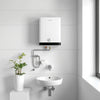
ABS Body Water Heater: Buyer Tips for Safe, Long-Lasting Use
, by Amita Choudhary, 13 min reading time
, by Amita Choudhary, 13 min reading time
Updated on: 2026-09-02
If you want hot water without long waits, an ABS body water heater can be a smart upgrade for your home. This guide explains how to choose one that fits your space, wiring, and daily habits. You will also learn the mistakes that cause poor performance, how to maintain efficiency, and which features matter most. By the end, you will have clear setup and buying tips, plus real-life style feedback from homeowners who wanted dependable comfort.
Hot water should feel simple. Yet many homes still deal with delays, inconsistent temperature, and frequent repairs. An ABS body water heater is designed to bring dependable comfort with a strong focus on practical everyday use. The ABS (Acrylonitrile Butadiene Styrene) outer body helps provide solid protection for internal parts, which can matter in busy homes where the unit is used daily.
When you are choosing a water heating solution, you need more than “hot water.” You need stability, smart installation fit, and easier ownership. This is where the right ABS body model stands out: it is built for real-life usage and helps you get reliable heating while keeping the exterior housing durable and easier to handle during routine cleaning.
In this post, you will learn how to choose the right capacity for your household, what features to prioritize, and which mistakes often lead to wasted energy or disappointing results. You will also see how homeowners describe the benefits, plus a clear set of steps to keep performance smooth for years.
Choosing a water heater is not only about buying the unit. The biggest issues usually come from avoidable decisions during planning, installation, and everyday care. Avoid these common mistakes to protect comfort and reduce future trouble.
Ignoring hot water demand. If you buy a capacity that is too small, the heater will run too often and you may experience lukewarm results. If you buy too large, you may waste energy during off-peak usage.
Skipping proper installation checks. A water heater needs correct placement, safe plumbing connections, and suitable electrical considerations. Poor installation can lead to unstable heating and premature wear.
Not matching the unit to your usage pattern. Homes with frequent short showers may need a different setup than homes with longer, fewer uses. Your daily rhythm matters.
Neglecting maintenance steps. Simple habits like basic inspections and timely cleaning of accessible parts can prevent efficiency drop and reduce buildup issues over time.
Overlooking safety-related features. If the unit lacks the protection features you need for your environment, it may not suit your home as well as you hoped.
To make a confident decision, it helps to weigh the benefits and trade-offs. Here is a practical view of how an ABS body water heater can perform in everyday ownership.
Durable exterior housing. ABS body construction can help protect internal components from everyday impacts and routine cleaning.
Better ownership experience. A sturdy outer body can feel more manageable when you need to inspect the unit or maintain it.
Comfort-focused heating. The goal is consistent hot water for showers, washing, and household tasks.
Suitable for many spaces. Depending on model size, ABS body designs can fit common kitchen and utility layouts.
Performance depends on sizing and installation. If capacity or setup is not right, any water heater can struggle with temperature consistency.
Requires basic upkeep. Like all water heating systems, it benefits from routine checks and correct use of maintenance practices.
Not a universal fit. Some homes need specific plumbing or electrical arrangements. Confirm compatibility before purchase.

Home water use chart: showers, washing, comfort zones
If you want a smart purchase, focus on what affects comfort first: capacity, installation fit, and day-to-day control. Use these quick tips to narrow down the best ABS body water heater for your home.
Estimate daily hot water usage. Count typical shower frequency, dishwashing needs, and laundry habits. This helps you avoid a unit that runs too long or struggles to keep up.
Match the heater to the room layout. Check where the unit will sit, including space clearance and access for maintenance. A good location supports smoother ownership.
Check electrical and plumbing compatibility. Confirm that the water connections and power setup match the model requirements in your home.
Look for helpful controls. Temperature control and easy operation reduce guesswork and help you set consistent heating for your routine.
Choose a brand you can support. Reliable availability of support and service guidance makes long-term ownership easier.
An ABS body water heater can fit many household needs. Instead of thinking “one use,” think “how you live.” Here are common scenarios where owners typically feel the biggest difference.
When multiple people share morning schedules, hot water timing becomes stressful. With an appropriately sized unit, you can reduce waiting and keep showers, face washing, and quick cleaning more consistent. For many families, this is the main comfort upgrade they notice.
Hot water matters for dishwashing, utensil rinsing, and cleaning tasks. A dependable heating setup can help you manage temperature needs throughout the day without constantly adjusting plans.
Not every home has a large installation area. ABS body heater designs are often chosen for practical home layouts where durability and manageable exterior housing are valuable.
Guest days and seasonal weather shifts can stress a heating system. A properly selected ABS body water heater can help you handle heavier usage without feeling like hot water is an unpredictable resource.
While every home differs, many customers describe similar benefits after upgrading to an ABS body water heater:
“Hot water feels more consistent for daily routines.” Several buyers mention fewer temperature surprises during showers and cleaning.
“Ownership feels easier.” People often appreciate a durable outer housing that is simple to keep presentable.
“Less waiting for use.” Buyers frequently say the upgrade helps the household move faster in the morning.
These reflections align with what matters most: reliable comfort, better usability, and a calmer daily routine.

Efficiency checklist icons: flow, insulation, cleaning, safety
To keep your ABS body water heater working smoothly, maintenance should be simple and consistent. You do not need complicated steps. You need a routine that protects efficiency and reduces buildup risks.
Check for visible issues like leaks, unusual sounds, or inconsistent heat behavior. If something seems off, addressing it early can prevent bigger problems.
Wipe the outer housing with a soft, dry cloth. This supports a tidy appearance and helps you spot dust buildup or changes that may need attention. Avoid harsh cleaning methods that can damage the finish.
If the heater starts taking longer to deliver hot water or you notice frequent temperature fluctuations, it may be time for a deeper check. Tracking patterns helps you catch issues sooner.
In many areas, water can contain minerals that gradually affect heating efficiency. Following recommended care guidance helps reduce the impact of buildup and supports stable performance.
Do a quick safety check from time to time. Make sure control settings are appropriate and that the unit is operating as expected. If you are unsure about any step, use professional help.
If you are also upgrading other home appliances, consider browsing related categories on our site. For example, you can explore more home-ready electronics here: electronics. Keeping your system upgrades coordinated can help your home feel smoother overall.
An ABS body water heater can be a practical comfort upgrade when you choose the right capacity, prioritize installation fit, and maintain it with simple routines. The biggest improvements you can expect are more dependable hot water for daily use, better usability, and a durable exterior that supports easier ownership.
Before you buy, avoid sizing mistakes, confirm compatibility, and choose a model with controls that match how your household uses hot water. After purchase, keep maintenance straightforward: inspect regularly, clean the exterior, and watch for performance changes early.
If you want dependable hot water comfort, it is the right time to check options and select the setup that matches your home. Visit our kitchen appliance range to plan your upgrade journey: kitchen appliances. Then choose confidently based on your household demand and installation needs.
Start by estimating your household’s daily hot water needs. Think about how many showers you take, how often you wash dishes with hot water, and whether laundry uses hot settings. If your household needs frequent hot water at the same time, aim for a higher capacity within your available space. The best choice depends on both usage pattern and installation fit.
The ABS outer body is designed to be durable and easier to keep in good condition during routine cleaning. However, all heaters benefit from basic maintenance like inspections, keeping the exterior clean, and watching performance trends. For mineral-related issues or deeper checks, follow manufacturer guidance and use professional support when needed.
Confirm that the heater’s electrical and plumbing requirements match your home setup. Plan the mounting location so there is enough access for operation and maintenance. Also check that the installation follows safe practices and uses correct connections. If you are not sure about compatibility, confirm with a qualified installer.
Look for unusual sounds, visible leaks, sudden temperature inconsistency, or a longer time to heat water than usual. If you notice repeated issues after basic checks like cleaning the exterior, it is a good idea to consult support or service guidance to diagnose the cause.
Disclaimer: This article is for general guidance only. Always follow the installation and safety instructions provided with your specific ABS body water heater model. If you are unsure about electrical or plumbing work, consult a qualified professional.


At Ysvara Lifestyle, we help people make smarter shopping choices by curating the best, most reliable products from trusted brands across electronics, home appliances, fashion, and everyday essentials. We spend hours comparing real-world performance, customer feedback, and value-for-money so you don’t have to. Every recommendation is based on usefulness, durability, and honest insights — not just hype. Our mission is simple: to make online shopping effortless, transparent, and truly helpful. Explore better choices, discover hidden deals, and buy with confidence. ✨


