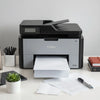
30 PPM Print Speed Guide for Faster, Cleaner Output
, by Amita Choudhary, 10 min reading time
, by Amita Choudhary, 10 min reading time
Updated on: 2026-09-03
This guide helps you understand why 30 PPM print speed matters when you need reliable output day after day. You will learn how speed impacts workflow, turnaround time, and overall cost per project. We also break down practical buying factors, so you can match a printer to your print types and volume. By the end, you will have a clear checklist and next steps to choose the right solution.
Table of Contents
Choosing a printer is not just about specs. It is about protecting your schedule, keeping customers satisfied, and reducing the small delays that add up. If your workflow depends on consistent output, 30 PPM print speed is often the turning point between “good enough” and “built for volume.”
In this post, you will see how print speed influences real work: how quickly you can produce documents, how evenly jobs move through your queue, and how much time you save during peak demand. You will also find buying guidance for home offices and small businesses, plus use cases you can relate to. The goal is simple: help you pick a printer that performs when it matters.
Let’s start with a quick mindset shift. Print speed is not only about numbers. It is about whether your team can meet deadlines without constantly restarting, waiting, or reprinting. When a device can sustain a strong throughput like 30 PPM print speed, it supports faster job cycles and smoother daily operations.
If you are evaluating options, look beyond “speed per page” and focus on how the printer fits your typical workflow. For many buyers, a target like 30 PPM print speed offers the balance between efficiency and everyday affordability.

Speed icons flowing into a smooth workflow line
When your printer can handle 30 PPM print speed, it helps you move through common office tasks without bottlenecks. Imagine printing proposals, invoices, training sheets, or product documents. The faster your printer clears those jobs, the less time you spend waiting around.
Here are the practical benefits many buyers notice:
It is also easier to build a repeatable process. When speed is strong and consistent, your output rhythm stays stable. That is especially valuable for businesses that rely on dependable document production.
Different buyers need different things. Still, there are several situations where a strong throughput target like 30 PPM print speed is especially helpful.
When you pick a printer that matches your job frequency, you avoid the “half-fast” feeling of waiting for pages to finish one by one.
To choose confidently, it helps to weigh performance against your priorities. Below is a clear comparison of what often matters when you compare speed-focused printers and balanced office models.
In other words, 30 PPM print speed is a strong indicator of capability, but your results depend on matching it with the right paper, job types, and configuration.
People tend to describe the same wins when they upgrade for speed. They talk about fewer waiting moments, less frustration, and a more reliable routine. Here are example testimonials in the style of feedback you can expect from buyers who prioritize performance and workflow stability:
These comments reflect a common theme: speed is valuable because it protects your time.

Checklist symbols beside rapid page-flow arrows
Use this checklist to pick a printer that truly benefits your workflow. It is designed to help you translate “speed” into outcomes you can measure in your day-to-day life.
If you want to keep your purchase decision grounded, compare your current pain points with the outcomes you want. For many buyers, 30 PPM print speed is chosen because it reduces waiting and helps teams complete tasks in fewer cycles.
To actually enjoy fast throughput, focus on the practical details:
These steps help your printer reach the performance you expect, including strong 30 PPM print speed in everyday use.
When you are selecting a printer for real office life, speed should be more than a headline spec. 30 PPM print speed is a practical benchmark for teams that need faster turnaround and smoother daily workflows. It helps you move through documents quickly, reduces queue delays, and supports consistent output during busy periods.
Before you finalize your decision, revisit your checklist. Ask: Are you buying for frequent runs or occasional printing? Do your paper needs match the printer’s capabilities? Are you prioritizing simple setup and reliable connections? When those answers align, your printer can deliver the benefits that matter most: time savings and less stress.
If you are also upgrading your broader setup, consider browsing related electronics and office essentials to build a smoother daily experience. For example, you can explore electronics for home and work for complementary technology decisions. And if your workspace depends on air quality for comfort during long print or admin sessions, you may find ideas in air purifier options. Keeping your environment and workflow aligned can improve how productive your days feel.
Call to action: If you want faster output for frequent document work, choose a printer solution that supports a target like 30 PPM print speed. Select based on workflow fit, paper handling, and connectivity—not just a single spec. Then set your presets, print in planned batches, and enjoy a calmer, more reliable office routine.
Disclaimer: Product performance varies by document type, settings, connection quality, paper choice, and maintenance. Always check manufacturer specifications and test under your typical workload before committing.
For many home offices, 30 PPM print speed is more than enough because it helps clear everyday document runs quickly. If you print contracts, assignments, invoices, or frequent forms, that level of throughput can reduce waiting time and make deadlines easier to meet. The best choice depends on how often you print and the kinds of documents you handle most.
Speed and quality are related, but they are not the same. Your print quality depends on settings, paper type, and the document content. A printer that handles high throughput can still deliver crisp results, but you should confirm recommended settings for your paper and your most common file types.
If you experience slowdowns, it is usually not only the page-per-minute rating. Prioritize connectivity stability, correct paper size and media settings, and efficient job batching. Also check that you are not frequently changing presets between jobs, because repeated setup can add delays. Maintenance and driver updates can help keep performance smooth.


At Ysvara Lifestyle, we help people make smarter shopping choices by curating the best, most reliable products from trusted brands across electronics, home appliances, fashion, and everyday essentials. We spend hours comparing real-world performance, customer feedback, and value-for-money so you don’t have to. Every recommendation is based on usefulness, durability, and honest insights — not just hype. Our mission is simple: to make online shopping effortless, transparent, and truly helpful. Explore better choices, discover hidden deals, and buy with confidence. ✨


